Clinical Start-up Medical Checklist for Hospitals and Clinics
- lepeke mogashoa
- May 28
- 4 min read

Starting a new clinical facility or expanding an existing one requires careful planning and preparation. A well-organized clinical start-up ensures smooth operations, patient safety, and compliance with medical standards. I want to share a detailed checklist that covers essential steps and equipment needed to get your clinical services running efficiently.
This guide will help you focus on key areas such as regulatory compliance, staff readiness, equipment procurement, and patient care protocols. I will also mention some reliable medical products that can support your clinical start-up process.

Close-up view of medical instruments arranged on a sterile tray
Regulatory and Administrative Preparation
Before opening your clinical doors, you must ensure all legal and administrative requirements are met. This step is crucial to avoid delays and penalties.
Licensing and Accreditation
Obtain all necessary licenses from health authorities. Accreditation from recognized bodies improves trust and compliance.
Policies and Procedures
Develop clear clinical protocols, patient privacy policies, and emergency procedures. These documents guide staff and protect patients.
Staff Credentialing
Verify qualifications and licenses of all healthcare professionals. Maintain updated records for audits.
Insurance and Liability
Secure appropriate insurance coverage for malpractice, property, and workers’ compensation.
Facility Inspection
Conduct thorough inspections to ensure the facility meets health and safety standards.
Staffing and Training
Your clinical team is the backbone of quality patient care. Hiring the right people and providing proper training is essential.
Recruitment
Hire qualified doctors, nurses, technicians, and administrative staff. Consider experience and cultural fit.
Orientation and Training
Provide training on clinical protocols, equipment use, and patient communication. Regular refresher courses help maintain standards.
Roles and Responsibilities
Clearly define job descriptions and reporting lines to avoid confusion.
Health and Safety Training
Train staff on infection control, waste disposal, and emergency response.
Medical Equipment and Supplies
Having the right medical equipment is vital for diagnosis, treatment, and monitoring. I recommend focusing on reliable and user-friendly devices.
One example is the Patient Monitoring System from Lepeke Medical. This system offers continuous vital sign monitoring, which is critical for patient safety in any clinical setting. It supports multiple parameters like heart rate, blood pressure, and oxygen saturation, helping staff respond quickly to changes.
Another essential product is the Surgical Instrument Set also available from Lepeke Medical. These instruments are designed for durability and precision, suitable for various surgical procedures. Using high-quality tools reduces complications and improves outcomes.
When selecting equipment, consider:
Compatibility with existing systems
Ease of use and maintenance
Availability of technical support
Compliance with local medical standards
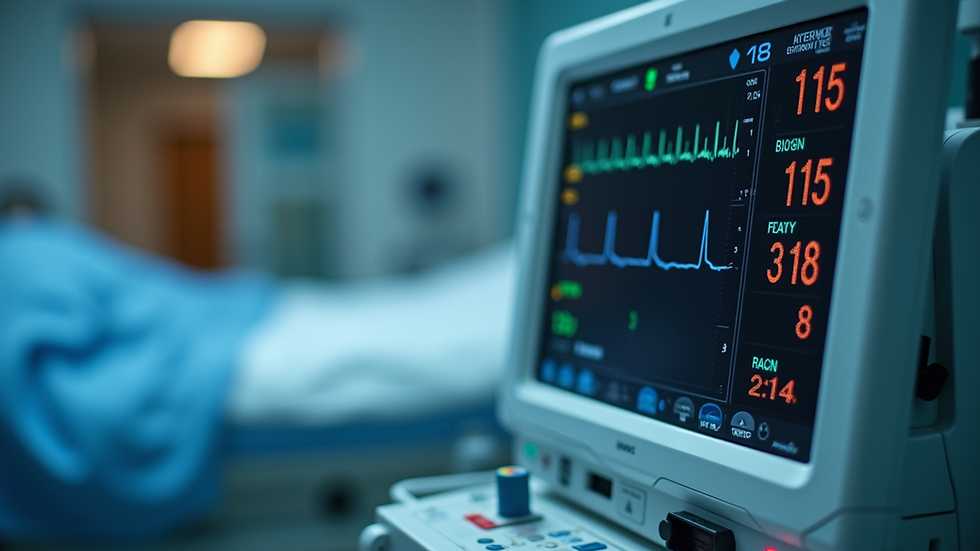
Eye-level view of a patient monitoring device displaying vital signs
Facility Setup and Infrastructure
The physical layout and infrastructure of your clinic affect workflow and patient experience.
Space Planning
Design patient rooms, waiting areas, and staff zones for comfort and efficiency.
Sanitation and Waste Management
Set up proper disposal systems for medical waste and maintain hygiene standards.
Power and Backup Systems
Ensure reliable electricity supply with backup generators to avoid interruptions.
Information Technology
Implement electronic health records (EHR) and secure communication systems.
Medical Gas and Water Supply
Install necessary pipelines for oxygen, suction, and clean water.
Patient Care and Safety Protocols
Patient safety must be a priority from day one. Establish protocols that minimize risks and enhance care quality.
Infection Control
Use sterilization equipment and enforce hand hygiene practices.
Emergency Preparedness
Equip the clinic with emergency kits and train staff for urgent situations.
Patient Identification
Implement systems to correctly identify patients and avoid errors.
Medication Management
Maintain accurate records and storage for drugs.
Feedback and Complaints
Create channels for patients to report concerns and improve services.
Supply Chain and Inventory Management
Efficient management of medical supplies ensures availability and reduces waste.
Vendor Selection
Choose reliable suppliers with quality products and timely delivery.
Inventory Tracking
Use software or manual logs to monitor stock levels and expiry dates.
Ordering Procedures
Set reorder points and approval processes to maintain adequate supplies.
Storage Conditions
Store items according to manufacturer guidelines to preserve quality.

High angle view of a well-organized medical supply room with labeled shelves
Technology Integration and Support
Modern clinics benefit from integrating technology to improve efficiency and patient outcomes.
Electronic Health Records (EHR)
Implement EHR systems to streamline patient data management.
Telemedicine Capabilities
Consider telehealth options to expand access to care.
Technical Support
Arrange for ongoing IT support to handle software and hardware issues.
Training on New Technologies
Ensure staff are comfortable using new tools through training sessions.
Monitoring and Continuous Improvement
Once your clinical start-up is operational, continuous monitoring helps maintain quality.
Performance Metrics
Track patient wait times, treatment outcomes, and staff performance.
Regular Audits
Conduct internal audits to check compliance with protocols.
Patient Satisfaction Surveys
Collect feedback to identify areas for improvement.
Staff Meetings
Hold regular meetings to discuss challenges and solutions.
Starting a clinical facility involves many moving parts. By following this checklist, you can build a strong foundation for safe and effective patient care. Reliable equipment like the patient monitoring systems and surgical instruments from Lepeke Medical can support your clinical operations and improve outcomes.
Taking the time to prepare thoroughly will save you from costly mistakes and help you deliver quality healthcare from day one. If you want to explore trusted medical products, you can visit Lepeke Medical for more information.
This checklist is a practical guide to help you launch your clinical services confidently. Focus on compliance, staff readiness, equipment quality, and patient safety to create a successful healthcare environment.


Comments